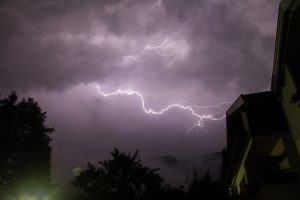
 Homes have more precision electrical equipment in them than ever before. You probably have multiple devices connected to the power supply at any time, with many power charging stations handling your portable devices. What is the best way to protect them in case of a power surge? It’s important to know this, because a voltage spike can cause irreparable damage to complex electrical equipment.
“I’m not worried! I’ve got the power strips in place at the outlets all over the house!”
If this is your answer … well, we have to talk a bit more about power surges and what you have to do protect equipment from them.
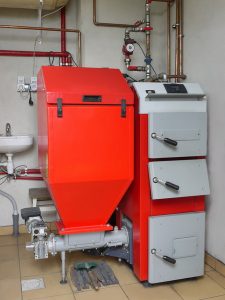 We all have been there: do I buy a new car, or do I spend the money to fix the one I own? Do I buy the latest cellphone, or do I get the broken screen fixed on mine? Well, you should be asking yourself these questions when it comes to your boiler, too.
 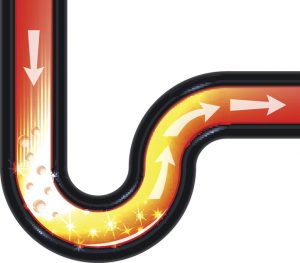 Drain cleaning is a service we often recommend to our customers. When someone has a serious drain clog or irritatingly slow drain in their home, they don’t need reminders about drain cleaning: it’s time to call a
  Are you a “winter person”? You certainly live in a great place to enjoy a wonderful winter season! But no matter how much cheer the season brings to you and your family, it can turn miserable if you don’t have a home heating system to hold off the cold. To make sure your winter isn’t memorable for all the wrong reasons, make sure you have a contractor who offers quality
  Each fall we stress to all our customers (and future customers) how important it is to schedule regular maintenance for their heating system—whatever type of heating system they have. There are many benefits of having this done, and one of them is it can help you find out if your heater is no longer up to the task of a Chicago winter. When you have a heating system that’s more than 15 to 20 years old, it’s probably ready to retire. During maintenance, a technician can tell you when it’s best to install a new heater.
 There’s always a special feeling in the air when October arrives. No matter if the weather is still occasionally warm, the crisp fall is arriving—and around the corner is the cold of winter. October means Halloween to many. To HVAC professionals, it means it’s time for heating maintenance. Have you signed up for your fall
  Fall is here: time for homeowners to evaluate their readiness for cold weather. For many, this means replacing an old gas furnace.
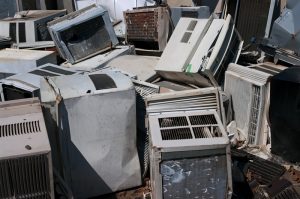 It’s not polite to ask people their age—unless they’re children, in which case they’ll probably tell you their exact age to half a year without you having to bring it up.
 If you’re looking for a great air filter, you need to know the term MERV. MERV is an acronym coined by the American Society of Heating, Refrigeration and Air Conditioner Engineers (ASHRAE) meaning Minimum Efficiency Reporting Value. MERV is a scale used to measure the efficiency of an air filter. Air filters are rated from 1-16. MERV might be a new term to you, but it’s routine to our knowledgeable technicians trained to get you the best